Zdjęcie: Erik Mclean (Pexels)
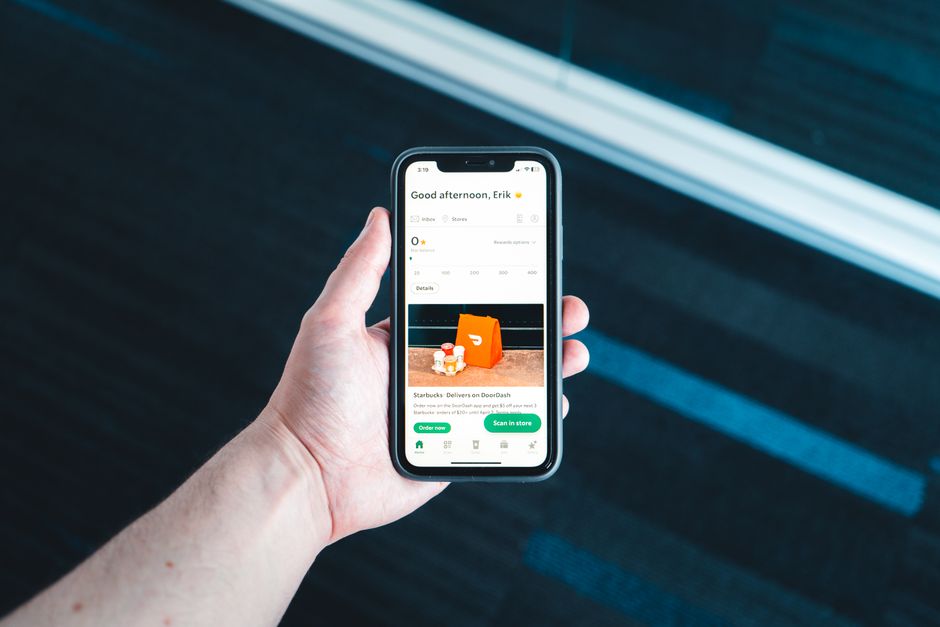
Five years ago, online ordering in restaurants was treated as a side business to the dining room and aggregator deliveries. Today it's often the guest's first contact with the venue — they check the menu on their phone before deciding whether to order in-house or for takeout. The problem is that many restaurant owners still hand over this channel entirely to third-party platforms, paying 20-30% commission on every order. It's a real cost that, with good sales, makes the difference between profit and breaking even.
Why your own ordering system makes sense
Aggregators like Pyszne.pl or Uber Eats have their place — they provide reach and convenience for customers discovering a restaurant for the first time. But a guest who already knows you and is coming back doesn't need to go through a middleman. They just need to land on your restaurant website, scan a QR code on the table, or click a link in Google Maps.
The difference is simple to calculate. A 60 zł order through an aggregator with a 25% commission leaves 45 zł in the restaurant's pocket minus product and labor costs. The same order placed through your own system, where you only pay a small subscription fee, leaves much more margin. With a hundred orders a month, the difference can add up to thousands of zlotys.
What a good online ordering system needs
Just having the ability to "place an order online" isn't enough. Customers expect what large platforms have gotten them used to:
-
a clear menu with descriptions and photos,
-
information about allergens and ingredients,
-
quick payment without creating an account,
-
clear preparation time and delivery zone,
-
the option to pick up in person as an alternative to delivery.
A menu organized by categories, with good photos and dish descriptions, sells itself — it's not just a formality. It's also worth thinking about international guests: AI Menu Translations automatically translate dishes into other languages, which in tourist cities directly translates into more orders from foreign customers.
QR code as a starting point
A QR code on the table, in the window, or on a business card is standard today, but many restaurants still get it wrong — the link leads to a PDF you have to zoom in and scroll through, or a menu photo without the ability to order. QR Menu should lead straight to an interactive menu where guests can place an order without downloading any app.
In practice, a well-functioning QR code shortens the purchase path to three steps: scan, choose dishes, pay. Every additional step statistically loses you several percent of guests who drop off midway.
Payments — the less friction, the more orders
Carts abandoned halfway through checkout is one of the most common reasons for lost online sales. Customers want to pay by card or BLIK and move on, not hunt for a bank account number. Online payments and on-pickup payments give guests a choice — they can pay upfront online or when picking up with cash or card terminal. This flexibility is especially important for regular customers who order often and don't want to go through the full payment process each time.
Delivery and preparation time — the area that most often ruins the experience
Even the best menu won't help if a customer orders from a neighborhood you don't actually deliver to, or gets told "30 minutes" which in reality means an hour. Delivery zones and preparation times let you precisely set where you deliver, what your delivery costs are based on distance, and what realistic time to show at different times of day — because Friday night is a different reality than Tuesday afternoon.
It's also worth being able to quickly stop accepting orders when the kitchen is overwhelmed or a specific item runs out. Order blocking at those moments protects you from situations where a customer orders something you won't be able to deliver on time anyway, which ends in a bad review.
A menu that changes with you
Restaurants with daily specials, lunch deals, or seasonal menus know how tedious it is to manually update items every day. Automatic menu changes let you plan this in advance — for example, a different menu during lunch hours, another in the evening, without having to remember to switch anything manually.
Promotions and customer loyalty
Online ordering also offers something traditional dining doesn't — the ability to manage promotions precisely. Discount codes and promotions can be limited to specific days, times, or new customers, letting you fill slower hours without eating into full-price margins during peak times.
After delivery or pickup, it's also worth asking for feedback. Google reviews after ordering automate this moment — a customer who just ate and is satisfied gets a review request when they're most inclined to give one.
Reservations as a natural extension
Online orders and table reservations are often the same customer, just at different decision points. Online reservations in the same system as menu and orders mean you don't have to redirect customers to an external app — everything happens on one page.
Team management and data that matters
With more online orders, you need clear role division — who takes orders, who manages the menu, who has access to financial reports. Team and employee permissions let you organize this instead of giving everyone access to everything or, worse, sharing one login.
Data from statistics and reports show which dishes actually sell online, when you get busy, and how the average cart value changes after you introduce a promotion. It's concrete information for decisions, not just a number at month's end.
Don't forget about guests with allergies or dietary restrictions either — dish labels and allergens in your online menu isn't just a best practice requirement, it's real convenience for customers who'd otherwise call with questions or simply order elsewhere.
How to get started
Implementing your own online ordering system doesn't require a huge budget or months of work. You can start with a basic menu and QR code with payments, then add features like delivery zones, promotions, or automatic menu changes as needed. It's worth checking our and to see what will actually help your restaurant and what you can skip to start.
Wypróbuj SkanujMenu® w swojej restauracji
Bezpłatny miesiąc, bez karty i bez zobowiązań.